Monday, August 14, 2017

Take Landslides Seriously


Today, in Sierra Leone, a catastrophic mudslide is ravaging the outskirts of Freetown. One mortuary alone reported 300 dead so far, and the final count is likely to be much higher. With the continuing rains, the danger is not over. The high level of death and destruction is due primarily to all of the poor not being able to afford to legally construct housing that is up to safety and engineering code.

But if you think it is only a problem for impoverished lands, you'd be wrong.

No region with uneven terrain is immune. In 2014, the same year hapless Sierra Leone was under threat of the Ebola virus, the deadliest landslide in U.S. history occurred in Washington state in the infamous Oso mudslide. 43 people were killed. This year, landslides have caused a number of long-term closures in California.

So what is a landslide, and what can you do to prepare for one?


A landslide is a geological event that includes mudslides and debris flows. They can be caused by earthquakes, severe weather, man-made alterations to the landscape, or poor civil engineering. Landslides globally cause massive damage in lives and property.

Before a Landslide

• Warning signs of shifting terrain in a community can sometimes be spotted early; sudden increase of cracks in foundations and pavement, doors and windows sticking, etc.
• Take note of the paths excess water in storms take, or where flows of debris or water would converge.
• Landscape your yard with concrete, trees, bushes, etc. to prevent erosion.
• As always, have emergency supplies and an emergency plan in place.

During a Landslide

• Many landslide deaths occur at night when people are sleeping. If you are awake, wake your family and neighbors.
• Evacuate if possible.
• Landslides can be fast and fierce. If you can’t outrun it, take cover as you would on p. 20.
• Watch for signs that the slide or flooding may be catching up to you, such as strange noises like cracking tree branches, stream water turning form clear to muddy, etc.

After a Landslide

• While searching for survivors, avoid the main slide zone. Landslides are still possible.
• When it is safe to return, repair landscaping as soon as possible to stop further erosion.

Thursday, August 10, 2017

The What, Where, and How of Ebola


You've probably heard of the Ebola virus disease, you may have even heard about the recent outbreak in Bas Uélé, DRC, but what do you know about it? What do doctors and scientists know about it? Could it affect your health and well being? How can you prevent it? If someone is infected, is it curable?

Do we know where it came from?

The answer to that question is yes... and no. We generally know how the disease is transmitted to humans; what we don't know for certain is where the disease originates.

While we are uncertain of a specific origin to the disease, it is thought that a certain breed of fruit bats are the natural Ebola virus host. The disease can then be spread to other animals.

Ebola is transmitted to humans through contact with infected animals' blood, secretions, organs, or other bodily fluids. It can be an animal that is still alive or dead. The disease can then be transmitted to other humans the same way through contact with open wounds, blood, secretions, or other bodily fluids.

When did it first become noticed, and where has it affected people?

The Ebola Virus was discovered in 1976, when two simultaneous outbreaks occurred. One was in what is now South Sudan, and the other in the Democratic Republic of Congo (DRC). The disease derives its name from the Ebola River near where the latter outbreak occurred. Since then, there have been sporadic outbreaks throughout Africa.

The recent outbreak from 2014-2016 has been the largest and most complex outbreak since it was originally discovered. There were more than cases and deaths than all other outbreaks combined. There were 28,616 reported cases and 11,310 deaths, according to the Center for Disease Control.

Previously reported cases had been in mostly rural areas. In 2014 it broke out in urban areas; and, therefore, spread more quickly.

Since then, there has only been an isolated case in Italy and a small outbreak of 8 reported cases and 4 deaths in northern DRC. Except the 2015 Italy case (likely contracted in Sierra Leone), all cases of Ebola to date have been reported only on the African continent.

Can it be prevented?

The best prevention, obviously, is to avoid traveling to those areas that have reported cases of the Ebola virus disease. The U.S. Embassy or consulate can provide specific information on areas and facilities to avoid.

If traveling to areas with the disease, reduce contact with wildlife: especially fruit bats, monkeys/apes, and raw meat. Practice careful hygiene, wash your hands with soap and water regularly.

Avoid touching anything that may have come in contact with a diseased persons blood, or bodily fluids. Don't participate in funeral rituals which involve handling in any way the body of someone who was infected with the Virus.

What are the symptoms?

It takes about 2 - 21 days after being infected by the disease to start showing symptoms. A person is not infections until they start exhibiting symptoms.

According to the World Health Organization, the first onset of symptoms includes: a fever, fatigue, muscle pain, headache, and a sore throat. There are additional symptoms; diarrhea, vomiting, abominable pain, and unexplained bleeding and bruising.

How is it treated?

Ultimately, the Ebola virus disease can be fatal. There is currently no FDA approved vaccine or medicine available to treat Ebola. There are experimental treatments under development but have not yet been fully tested.

A patient's survival is dependent on their own immune system response and their health care. Symptoms are treated as they are exhibited. A patient who overcomes Ebola develops antibodies that are effective for at least ten years. 

It takes time even after recovery for the Ebola Virus to leave certain bodily fluids, for example, semen. And the amount of time it takes for Ebola to leave varies for each man.

For now, scientists continue to work to understand Ebola better and to help better treat the disease..

For more resources and information on the Ebola Virus, we recommend looking at the Center for Disease Control and the World Health Organization.


Thursday, May 25, 2017

Pregnant? Why you still can't go to Cancun


Ten things you actually need to know about the Zika Virus today

Yep, you read that right, if you are pregnant or wanting to get pregnant you should not be traveling to Cancun. Cancun isn’t the only one being singled out, there are over 45 countries you should avoid traveling to according to the latest reports from the CDC (Center for Disease Control). For the most up to date list click here. So, what’s the reason behind it all?

The reason is a disease called the Zika Virus. Have you heard about it yet? If you have heard of it do you know how to keep yourself safe and most importantly anybody in your life who may be pregnant or wanting to become pregnant in the near future?

There are a lot of questions, rumors, and concerns out there concerning the Zika Virus. We did our homework to sift through all of that to find the ten things you actually need to know about the Zika virus today.

What is the Zika Virus? The Zika virus, which is very new to the western hemisphere, is related to dengue, yellow fever, and West Nile Virus. The Virus can cause infection and disease and is primarily transmitted through infected mosquitoes.

What are health risks of the Zika Virus? For most adults who are infected the symptoms are very mild if you notice them at all. There has been recent studies into the correlation between the Zika virus and a rare sickness of the nervous system called Guillain-Bare syndrome (GBS). This is highly uncommon, 1 in 100,000 report having this in the US. Some of the mild symptoms are a low fever, rash, headache, joint pain, red eyes, and muscle pain. Although it may not sound that bad, the Zika virus was named a World Health Emergency in 2016 by the World Health Organization. This is because the Zika virus can cause a serious birth defect during pregnancy.  

How can it affect a pregnancy? The Zika virus while for most adults may be a mild nuisance it can severely affect an unborn child during a pregnancy. During a pregnancy the Zika virus can be passed from the mother to the fetus which can develop into a disease called microcephaly. This disease causes the brain to not fully develop. This causes the baby to have a head smaller than expected and can result in further brain damage.

What are the chances of the virus affecting a pregnancy? In a report published by the New England Journal of Medicine, they estimate that the risk of the baby developing microcephaly when a pregnant mother has been infected with the Zika virus during the first trimester can be as high as 13%. The CDC does not currently know if there is a safe time to travel to areas at risk of the Zika virus during a pregnancy. The best option is of course is to avoid becoming infected.

If I do get infected with Zika will future pregnancies be at risk? There is no current evidence that a woman who has recovered from Zika will have Zika related pregnancy complications in the future. Based on similar infections, once a person has been infected with Zika and has cleared the virus from the body, they will likely be protected from future Zika infections.

How can someone become infected?The virus is primarily spread through bites from infected mosquitoes. The virus can also be spread through unprotected sex and if a pregnant mother is infected there is a chance it could spread to the fetus and cause the baby to have microcephaly.

Is the Virus spreading? The virus is spreading, it can spread from one country to another as people travel and become infected, those people may then transmit the disease through mosquitoes, without evening knowing they are carriers. There have been two areas where local mosquito-borne viruses have been reported, Brownsville, Texas and South Florida. While this may seem alarming, there is work being done to create vaccines and if you are smart in your travels and stay up to date on the areas of risk you needn’t overly worry about yourself and anyone you know who may be pregnant.

How is Zika diagnosed? Watch for the mild symptoms, especially if you or someone you know has recently traveled to an infected area. A doctor can diagnose the disease if you are worried you may have been infected. Your doctor will ask you about recent travel and symptoms you have been having, as well as collect blood or urine samples.

Is there a cure for Zika? Currently there is no cure or vaccine for Zika, if you are infected the best thing to do is get plenty of rest, drink a lot of fluid to prevent dehydration, as well as taking medicine to reduce any fever.

What can I do to prevent getting the Zika virus? The best way to prevent becoming infected is to protect yourself from mosquito bites. First and most important is to avoid traveling to places the CDC has listed to avoid. Second use insect repellent, wear long sleeved shirts and pants, try to remain indoors where there is air conditioning, and if you camp outside sleep inside a tent and use a mosquito net. In addition avoid having unprotected sex during the pregnancy as it can be sexually transmitted as well.

Friday, May 12, 2017

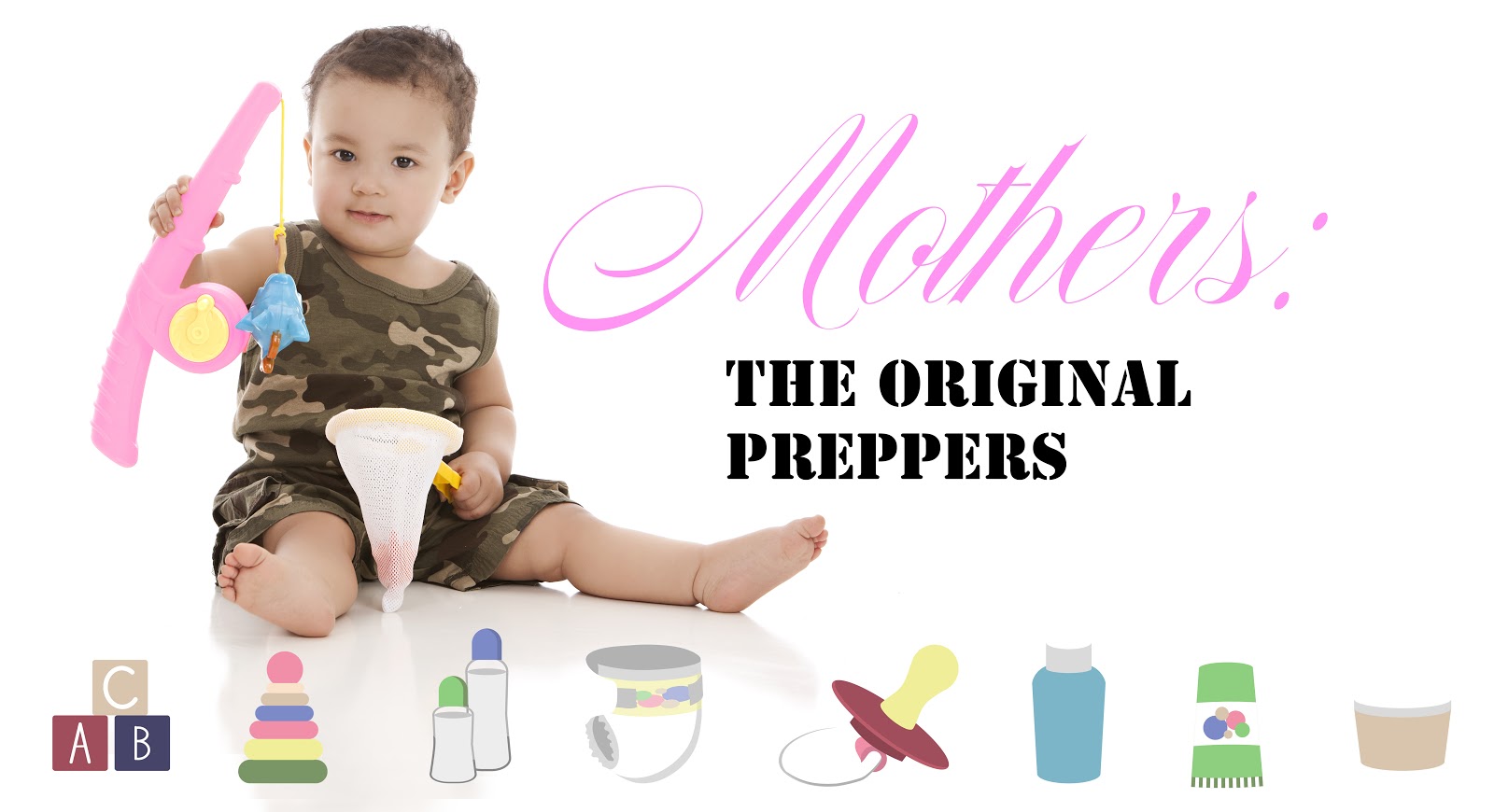
Mothers: The Original Preppers

mothers.jpg
We love to spend Mother’s Day to celebrate all the amazing moms out there, and all the things they do for us. Because let’s face it, moms are definitely the glue that holds most of us together. As a mom I know we have some tough jobs we sometimes have to face, one of the biggest challenges I think we face daily is leaving the house with our babies/children and trying to figure out how much we have to take with us in a diaper bag. There are some days where I think I’ve packed the whole house, and I’m still not prepared.
With babies, we always have to expect the unexpected— they just love to surprise us with something new everyday. Whether that be filling up their diapers in what feels like every five minutes, or throwing up all over us at the worst possible times. But we are supermoms and we handle it with such grace because we come prepared all the time (okay, maybe not all the time but we try our best.)  
But that can bring up a big question:  How many of us moms are prepared for an emergency and could we leave the house with enough items for our kids? Most of us may have a 72 hour kit for ourselves but have you ever thought about having a 72 hour diaper bag? Something we could make for just our babies.
So then comes the question, what would we need and how much of it? Obviously all babies are different and have different needs and quantities. But I think for the most part we are all on the same page about things that are essential to have in a diaper bag. So what should we be putting in a 72 hour diaper bag?


#1: A Sturdy Bag/Diaper Bag- You don’t necessarily need a diaper bag, you are going to want to have something that is sturdy and easy to carry. So even if you end up putting it in a backpack that would be fine. An important reason you want to make the baby his or her own bag is because you don’t want to waste time unpacking your whole bag while you’re looking for the baby items.


#2: Bottles and Formula- Formula is a definite must, even if you are breastfeeding. The reasoning behind that is breast milk can dry up due to stress and an emotional state, and in an emergency there can be a lot of high stress situations and you want to be prepared if that were to happen.
So how much formula should you pack? Again I think over doing it is something I would do. I would at least pack 3-4 cans of 12 oz. formula, which means you would have to pack extra water as well. So keep in mind that with the formula you want to pack as much water as you can. And if you are still breastfeeding should you still pack formula? I would definitely say yes, breastfeeding can be a great thing. But consider when on the go there might be times where it’s difficult to breastfeed and always having a back up plan could save your life.


#3: Diapers and Wipes- Babies poop a lot, especially newborns. So packing a ton of diapers is definitely necessary. If able to travel by car I would just put a whole case in the back. If that isn’t an option then I would pack as many as I could fit maybe even fitting some in my bag. The question comes up about cloth diapers, they are reusable and you wouldn’t have to pack a ton. The reason I think this could become a problem is not having somewhere to wash them and packing more water could make the bag heavier and harder to carry. Another concern is having poor sanitation, which is the number one killer in most emergency situations.


#4: Blankets- You want to make sure you have a good blanket packed, wool is always a better choice because it’s warm whether it’s wet or dry. But other blankets are fine too. There is a chance your baby also has a favorite so it’s great to pack one just like it to make the baby as comfortable as possible.


#5: Toys- Depending on the age of the baby it’s good to include something that they are use to having around so it can bring some comfort to them as well as keep them occupied. Anything small will do, a rattle, a stuffed animal or even a book they are use to. If your baby uses a pacifier make sure and pack one and a spare one in case.


#6:Change of Clothes- Again, babies love to make messes anywhere from poop to throw up. So we want to bring more than just 3 days of clothing, as well as packing some short sleeve and long sleeve and even a jacket. You want them to be as comfortable as possible and not too hot or too cold. Make sure to pack enough socks as well.


#7: Medicines- If your baby takes something daily make sure you have some packed, and even if they don’t it’s always smart to have some packed. Something in case of fever, teething, or even for a cold.


#8 Hygiene Supplies- You want to pack things like nail clippers, thermometers, nasal aspirator for the boogers, toothbrush if baby has teeth etc.


This would be a very good place to start if you are just beginning, and you can always put different things in based on the baby’s age. But I’m sure all the mommy’s out there have this covered. I hope all of you have an amazing Mother’s Day because you definitely deserve it.  

Wednesday, April 26, 2017

The Ultimate Guide to 72 Hour Kits (You’ve Got this Covered)


The Ultimate Guide to 72 Hour Kits (You’ve Got this Covered)


A 72 hour kit is a great place to start for your emergency preparations, this kit should include all the necessary items to be able to survive at least 3 days. But the question is, how can you make your own and what should your kit contain? Below we have come up with a list that we believe will help you build the ultimate kit.

Backpack: Picking out a backpack is definitely a crucial part in making a 72 hour kit not only because that is where you will be carrying all of your supplies but because you want it to be a comfortable fit for you and your needs. So, what are things you should be looking for?

  • Size Picking a size is usually determined by a couple of things. First the capacity, what are you going to be using it for? You want to think about how far you are going, how many people you are using it for, and how many supplies you are ultimately going to be putting in there. You also want something that is going to fit to your body size. It needs to be comfortable to carry. Most backpack sizing is determined on the length of your torso and the circumference of your waist. So it’s a good idea to measure yourself before picking one out.
  • Color Why is color such an important step in picking out an emergency backpack? For one simple reason, you don’t want to draw attention to yourself. If someone who isn’t as prepared as you were to see a bright red backpack that has emergency written across it then they just might want to see what you have. So if you want to stay under the radar picking a darker color with nothing written on it is always a safer choice.
  • Durability Like I was saying before, you want something that is going to be durable if you are traveling far or if you are traveling in bad weather. You want something that can take a beating, as well as keeping your personal items dry and unharmed.
  • Comfort Ultimately comfort is a big deal breaker. You don’t want something that is going to end up being a pain to carry. You want to look for something that has comfortable straps and a hip belt that can help take some of the load off your shoulders.   

Shelter: If an emergency arises and you have to spend time away from home, you want to make sure you have enough shelter to last until help can arrive. There are many different things you can put in your kit to keep you comfortable.


  • Ponchos Consider bright colors if you are waiting for help, but go darker if you want to blend in.
  • Tents When picking out emergency tents, there’s a few things you need to look for. Pay attention to the sizing so you get one that fits everyone you will have with you. Look for one that is easy to put up and take down, has durable material, and that can keep you warm.
  • Emergency Blankets When choosing an emergency blanket, there are several factors to consider: warmth, size, and cost. An aluminized mylar blanket is a good choice if you are looking for a thin, lightweight, and inexpensive blanket. This material keeps you warm by retaining body heat. Another choice is a aluminized tarp. It has all the same advantages as the mylar blanket, except it’s more bulky and heavy. It’s very durable and has many different uses.
  • Sleeping Bag Picking out a good sleeping bag is determined on just a couple things. You want a good temperature rating, one that has a low temperature rating will not keep you warm enough and if one has too high of a temperature you could be sweating all night. You also want to look at the material it’s made out of. If you get Down material that can be lightweight as well as being very effective at insulation. Or you can choose Polyester Synthetic, which is also lightweight and does very good in wet weather.


Click to check out this neat info graphic!

Water: Packing enough water is definitely an important step in creating your kit. But the question is how much is enough?

  • 1 gallon of drinking water per person per day
  • 2 gallons of washing water per person

But what if you can’t carry all of that? What other options do you have to have safe and clean water for you and your loved ones?

  • Packing water boxes or containers that you can fill up at a later time.
  • Water purification kits or filters that can decontaminate any dirty water.

Food: How much food is enough food? What is the best thing to bring on the go, while giving us the nutrients we need?

  • Emergency food bars These bars require no heating or cooking and if you are on the go then you won’t want to stop and cook a meal. They are long lasting and can be kept in a kit up to 5 years.  
  • Power Bars  These are helpful because they give you the calories that you need, as well as protein and other nutrients.
  • Ready to eat meats These are packed ready to eat on the go, cold or hot. They also have the nutrients that your body would need.


No matter what you pack make sure you pack at least a 3 day supply for every person. So you want to consider breakfast, lunch and dinner as well as snacks throughout the day.


First Aid: During emergencies there is always a possibility of injury, so you want to make sure you pack at least the most needed essentials for a first aid kit.

  • Bandages You want these packed in case of open wounds or any kind of sprains.
  • Ointments If you had a open wound, this would keep from infection..  
  • Ice Pack In the event of injury this would help with any kind of swelling.
  • Tweezers These could come in handy to pull debris such as glass, dirt or splinters from a wound.
  • Scissors The most common need for these is to cut bandages, but they can help at cutting clothes to expose injuries as well.
  • Sterile Gloves Gloves are to protect you as well as the injured person from infection. And keeps everything as sanitary as possible.
  • Alcohol Wipes These will help when needed to clean a wound or cut.

Hygiene/ Sanitation: So let’s face it, we are going to have to go to the bathroom at some point and you need to be able to clean yourself even if only gone for a few days or until help arrives. You want to make sure to pack at least the essentials.

  • Toilet Paper
  • Toothbrush/Toothpaste
  • Soap
  • Shampoo/Conditioner
  • Razor
  • Feminine Pads
  • Shaving Cream


When preparing for an emergency a lot of us tend to focus on food, water and shelter, it’s just natural but hygiene is one of the most important areas to consider because believe it or not proper hygiene could increase your survival rate. Not only will it keep you clean and happier it will also prevent illness and disease. Keep in mind everyone has their own personal needs when it comes to hygiene so pack what is going to make you feel the most comfortable.  


Tools: Tools are a prepper's best friend, especially if you are going to have to camp outside for a little while. The key is to select the tools that have the most possible uses.

  • Knife When picking out a good survival knife you want to consider a couple things, first one being size. You want something that can handle big jobs but that doesn’t mean bigger is always better. Most ideal sizes would be around 9-11 inches. So you can carry it around with you and it can do jobs like cutting/slicing, digging, self defense, food prep, hunting etc. One more thing to consider is do you get a fixed blade or a folding knife. A fixed blade is more durable and reliable, it has the upper hand when it comes to meeting the demands a survival situation might present. A folding knife is nice because you are able to fold it and put in your pocket. But a joint of any kind is a weakness, there is risk of it breaking or you losing it.
  • Axe There are a couple things to look for in picking out a good ax, the first thing is the grip, if you don’t have a good grip it can slip right out of your hand when it gets wet. You want to also look at the sharpness, you want to make sure it’s sharp before you pack it as well as packing an ax sharpener. And lastly you want to make sure it’s durable. You want it to be sturdy enough for you to use in emergencies.
  • Folding Shovel Many people don’t think of a shovel when you are picking out tools to put in an emergency kit, but they can be very useful. It can help you dig yourself out of a hole (literally), pick your way through ice, or just to remove snow from your car. You want one that is durable, versatile and good quality. You want to look for ones that are made of high carbon steel to withstand harsh environments. It’s always good to look for ones that can do multiple tasks as well, like sawing or chopping.
  • Duct Tape and/or Rope Improvise anything like MacGyver with these most useful and versatile tools. If you need to mark a trail, the brighter the better.
  • Work Gloves The best thing to look for in work gloves is durability. You want ones that can handle just about anything. You don’t want something that is going to tear easily when you are in an emergency. You may possibly have to trade off some manual dexterity, but remember the point of these is to keep your hand protected; so searching for the best material is a good idea. There are many to choose from, but the best materials are usually rubber, plastic, leather or synthetic gloves.
    • Cyanoacrylate Glue (AKA "Crazy Glue" or "Super Glue") Another extremely versatile tool, its ability to repair a variety of materials is well known. It is also surprisingly good at closing wounds, and even has antibacterial properties. Try to use medical grade, though, as most are toxic irritants.


Light/Communication:  When on the go, you want to make sure you have enough lights to get you to where you need to be, as well as having something to keep you updated.

  • Light Sticks We all know what a light stick is and what is does, but how do we know we are picking one that is good and can last long lengths of time? There are many variables that affect the length of time the stick will stay lit, such as the length, the chemical composition, and the ambient temperature. Most popular length is 6-10 inches and most can last anywhere between 30 minutes to 12 hours. Keep in mind the brightness is affected by temperature, the warmer the temperature the brighter the light will appear.
  • Flashlights Choosing a survival flashlight isn’t as difficult as you would think and it doesn’t have to be as expensive either. What should we be looking for is picking one? Durability is a must, remember this is a survival flashlight which means it’s probably going to be exposed to the worst of conditions. Which also means you would want one that is drop and water resistant as well. After you check for durability you want to look at the type of battery. This is important because you want one that has conventional battery types (AAA,AA,C,D) because these will be easier to find in an emergency. You also want to look at bulb type, the main ones are incandescent and LED. LED is known to be brighter and last around 10,000 hours whereas an incandescent bulb will die within a few hundred hours of use. Brightness is going to correspond with the bulb type you get, but brighter isn’t always better. You want to keep in mind what you’re using the flashlight for, in many cases you’re going to use your light for simple tasks like getting light in your campsite as well as the path you walk on at night. You also don’t want something that is going to draw attention to you. Most suggestions are to get one with 100-200 lumens. This will give you enough light to help in the dark and won’t drain your battery either. And lastly you want to look at the weight, you don’t want something that is going to weigh you down. In most cases you want to look for a light that is less than 8 oz. in weight. You want to make traveling as easy as possible and in cases where you will carry your flashlight you don’t want something that is going to be too heavy.
  • Batteries As mentioned above batteries are a must, not just for flashlights but radios, walkie talkies etc. You want to make sure you have enough for everything and some extra in case they run out. You want to be sure you know the types you need and have those packed.
  • Headlamps This is going to come in handy for those who need a hands free light, so you want to be sure and pick out a good one. But what factors should you look for?  Beam distance is important because you want to know how far the light can project but having a greater beam distance can also use up more of the battery life. Again size and weight plays into the decision making, you don’t want something that is going to be to hard to carry. And lastly power source, many headlamps use batteries but there are also ones that can be charged. So you want to be sure you choose one that will be the most convenient in an emergency.
  • Radio Choosing a reliable radio could be one of the most important steps in surviving. This is where you could potentially be getting all the updates needed to find help. That doesn’t mean you need to go find the most expensive, in many cases all you’ll need is a AM/FM receiver, AM is the most important because usually important information is sent through there. Most radios are battery operated which is fine as long as you carry extra batteries, but also consider ones that don’t. Such as ones that can get power from an external source like an AC adapter for when you have power or a hand crank one for when you have no power at all.
  • Cellphone (if there is signal)


Personal Items:
During an emergency being away from your home can be very stressful, so you want to make sure you pack as much personal things as you feel needed. You want to make sure you have everything you need to survive while away.

  • Extra Clothing You want to make sure you have spare clothing in case anything were to happen to the clothes you’re wearing, as well as just having something fresh to change into. You don’t necessarily need to pack a lot because you can always wash along the way. But you do want to pack a variety of clothing in case of weather changing, as well as just packing clothes that are easy to move in.
  • Hard Sole Shoes Good shoes are definitely a must. You want good, hard sole shoes as if you were to go camping or hiking. You wouldn’t want to be walking around in an emergency in uncomfortable shoes or shoes that don’t protect you from the harsh environment.
  • Money In many emergencies credit card machines, ATM’s etc. might be down and if you need to buy something or even put gas, having money packed away is a lifesaver. Small bills is helpful as well in case change cannot be given.
  • Diapers/Wipes/Formula If you’re a mom or dad you understand the importance of having these packed. If you have an infant or a toddler having enough diapers and wipes is going to make your life a whole lot easier.  Also enough formula for them, if you have a baby this is all they are able to eat and you want to make sure they have all the nutrients they need until help can be reached. Any emergency can be scary for you and especially for your children so you want to make sure they are as comfortable as possible.
  • Stress Relievers Emergencies are scary and very stressful, and being stressed can put you at risk for making mistakes or even worse having health issues. So make sure to pack some stress relievers for you and your family. Books, magazines, games, coloring books and crayons for the kids, stuffed animals and so on. Anything that can help you keep stress down is important to pack.
  • Medication taken daily If there is something you can take daily you need to make sure you pack that first thing especially if it’s for health reasons. Pack as many as possible so you can be covered until you can reach more.

Lastly let’s make sure every family member has their own kit and is personalized to their own needs. Also let’s keep the kits near an exit or in your car for a fast getaway in the event of an emergency. It’s never too late to start preparing, so get your family involved and take it one step at a time. You got this covered.